


SIIT
FF 2025

Implementation of Circular Economy in Thai Construction Industry

Fundamental Fund (FF) 2025

This study investigates the implementation of Circular Economy (CE) principles within the Thai construction industry, focusing on key stakeholders including contractors, owners, and manufacturers. By utilizing literature reviews, case studies, and stakeholder interviews, the research evaluates current practices and knowledge gaps. Ultimately, this work aims to drive a transformative shift toward a more resilient, resource-efficient, and sustainable sector.

SIIT

Implementation of Circular Economy in Thai Construction Industry

Background

No data available for this section yet

Objectives

No data available for this section yet

Literature Review

No data available for this section yet

Methodology

No data available for this section yet

Results

Cost Concerns

High initial investments, coordination expenses, and uncertain ROI hinder Circular Economy (CE) adoption.

Customer Engagement

Companies struggle to convince customers to prioritize and allocate budgets for sustainable solutions.

Stakeholder Collaboration

Aligning goals and maintaining effective communication across internal teams and external partners remains complex.

Regulatory Gaps

A lack of supportive government policies and comprehensive guidelines impedes effective CE implementation.

Resource Uncertainty

Inconsistent quality and availability of waste materials threaten supply chain reliability and scalability.

Analysis

No data available for this section yet

Recommendations

No data available for this section yet

Conclusion

No data available for this section yet

Research Team

Related Research

SIIT

Assessment of Material Reusability for Existing Buildings to Achieve Circular Economy in Construction

Fundamental Fund (FF) 2026

Assessment of Material Reusability for Existing Buildings to Achieve Circular Economy in Construction

The Thai construction industry's reliance on a linear "take, make, dispose" model drives significant resource depletion and waste. Transitioning to Circular Economy (CE) by reusing and upcycling building materials is essential to meet global Sustainable Development Goals (SDGs 8.4, 12.2, 12.5). However, widespread material reuse is hindered by technical, economic, and regulatory barriers, including high deconstruction costs, lack of certification standards, and uncertain cost-benefit outcomes. Furthermore, current research primarily focuses on downcycling (e.g., crushing concrete) rather than systematically assessing the pre-deconstruction reusability of structural components. To address this gap, this study develops a comprehensive framework to assess building material reusability prior to demolition. By analyzing material quality, extraction methods, and insights from expert interviews, this research provides actionable guidelines to optimize resource efficiency and accelerate CE adoption in Thailand.
Study on the Implementation of Circular Economy within the Thai Construction Industry Supply Chain via Digital Technology Integration

Fundamental Fund (FF) 2025

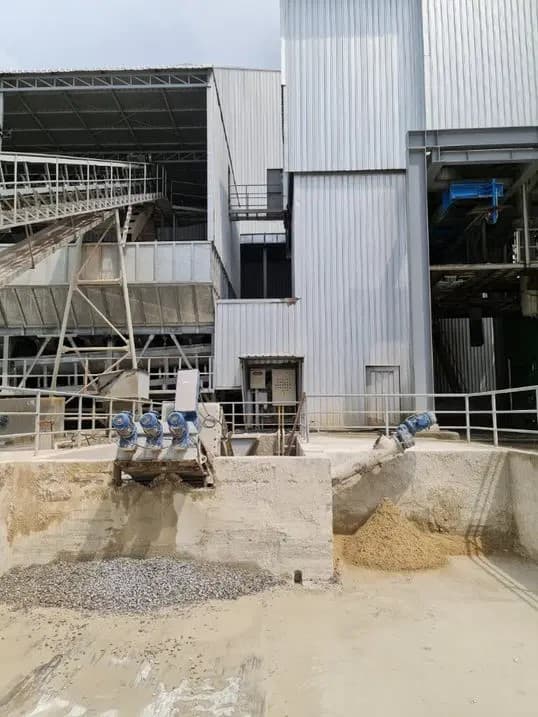
Study on the Implementation of Circular Economy within the Thai Construction Industry Supply Chain via Digital Technology Integration

Full project details will be published soon.

Reusability Assessment of Structural Steel in Existing Buildings

Fundamental Fund (FF) 2025

Reusability Assessment of Structural Steel in Existing Buildings

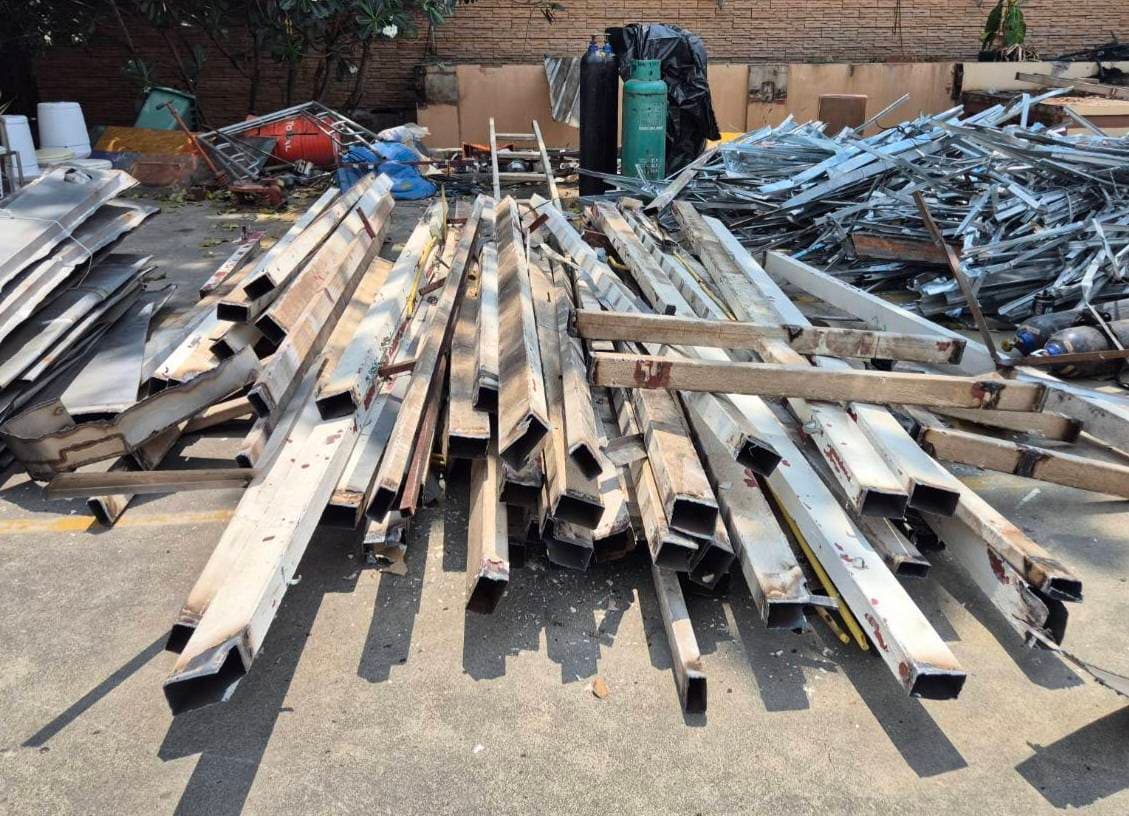
This study proposes a mixed-methods framework—combining Nondestructive Testing (NDT), Destructive Testing (DT), and expert surveys—to standardize the reusability assessment of structural steel. Validated on a 19-year-old, 1,900 m² warehouse in Thailand, NDT revealed structural irregularities caused by environmental wear and aggressive demolition. Subsequent DT tensile testing (benchmarked against ASTM, TIS, and Eurocode 3) confirmed that five major structural sections retained standard mechanical properties, whereas slender cold-formed sections failed due to severe geometric thinning. Ultimately, this framework provides actionable guidelines to advance sustainable infrastructure and Circular Economy adoption in Thailand.