SIIT

Research

This section introduces the primary theme of our research. The full introduction will be published soon.

Research Grants

Research Projects are supported by the following grants:

  1. Fundamental Fund (FF) 2026, Thailand
  2. Fundamental Fund (FF) 2025, Thailand
  3. Global Challenges Research Fund (GCRF) 2024, UK
SIIT

Assessment of Material Reusability for Existing Buildings to Achieve Circular Economy in Construction

Fundamental Fund (FF) 2026

Assessment of Material Reusability for Existing Buildings to Achieve Circular Economy in Construction

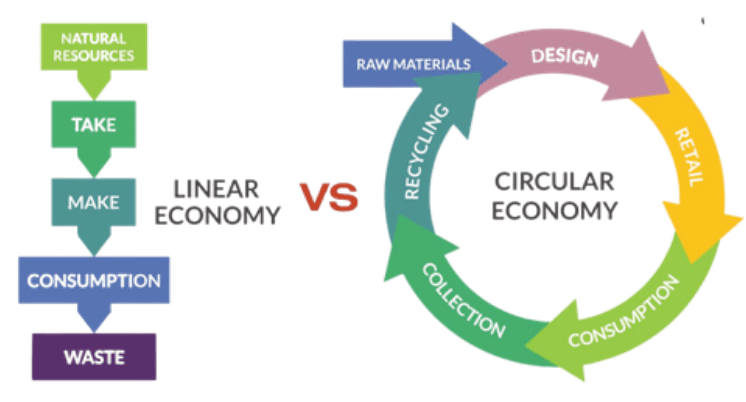
The Thai construction industry's reliance on a linear "take, make, dispose" model drives significant resource depletion and waste. Transitioning to Circular Economy (CE) by reusing and upcycling building materials is essential to meet global Sustainable Development Goals (SDGs 8.4, 12.2, 12.5). However, widespread material reuse is hindered by technical, economic, and regulatory barriers, including high deconstruction costs, lack of certification standards, and uncertain cost-benefit outcomes. Furthermore, current research primarily focuses on downcycling (e.g., crushing concrete) rather than systematically assessing the pre-deconstruction reusability of structural components. To address this gap, this study develops a comprehensive framework to assess building material reusability prior to demolition. By analyzing material quality, extraction methods, and insights from expert interviews, this research provides actionable guidelines to optimize resource efficiency and accelerate CE adoption in Thailand.
Study on the Implementation of Circular Economy within the Thai Construction Industry Supply Chain via Digital Technology Integration

Fundamental Fund (FF) 2025

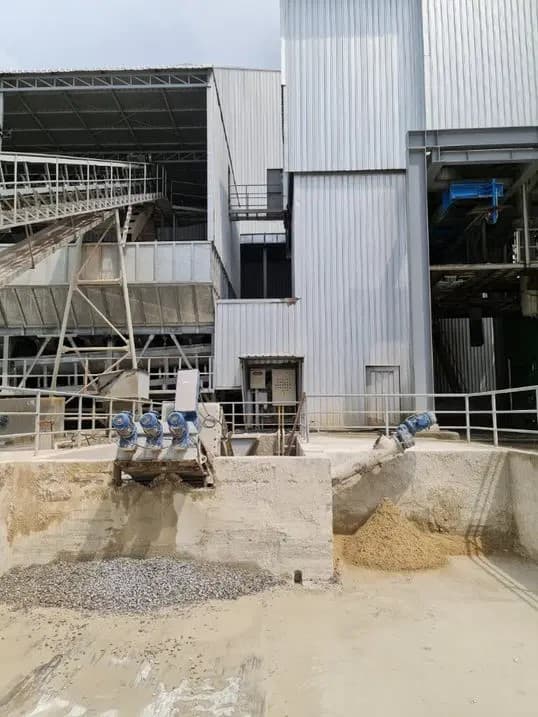
Study on the Implementation of Circular Economy within the Thai Construction Industry Supply Chain via Digital Technology Integration

Full project details will be published soon.

Reusability Assessment of Structural Steel in Existing Buildings

Fundamental Fund (FF) 2025

Reusability Assessment of Structural Steel in Existing Buildings

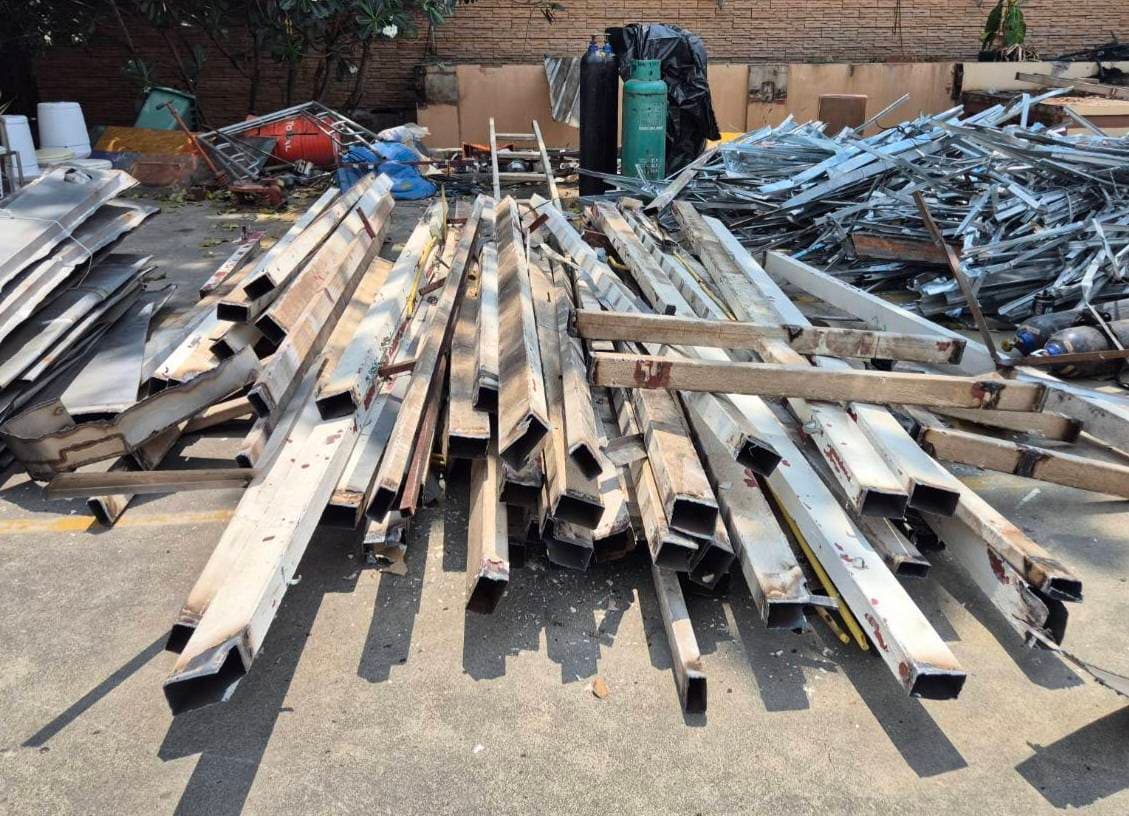
This study proposes a mixed-methods framework—combining Nondestructive Testing (NDT), Destructive Testing (DT), and expert surveys—to standardize the reusability assessment of structural steel. Validated on a 19-year-old, 1,900 m² warehouse in Thailand, NDT revealed structural irregularities caused by environmental wear and aggressive demolition. Subsequent DT tensile testing (benchmarked against ASTM, TIS, and Eurocode 3) confirmed that five major structural sections retained standard mechanical properties, whereas slender cold-formed sections failed due to severe geometric thinning. Ultimately, this framework provides actionable guidelines to advance sustainable infrastructure and Circular Economy adoption in Thailand.

Reusability Assessment of Materials and Components of Existing Buildings

Fundamental Fund (FF) 2025

Reusability Assessment of Materials and Components of Existing Buildings

This study explores the potential for reusing materials from end-of-life buildings in Thailand under the Circular Economy framework. Through stakeholder interviews, the research identifies key barriers to adoption, including the absence of legal frameworks, insufficient economic incentives, and low consumer trust. To overcome these challenges, the study proposes actionable recommendations—such as establishing reuse-specific legislation, promoting Design for Disassembly, and offering financial incentives—to transition material reuse from isolated efforts into a standardized, sustainable practice across the Thai construction industry.

SIIT

Implementation of Circular Economy in Thai Construction Industry

Fundamental Fund (FF) 2025

Implementation of Circular Economy in Thai Construction Industry

This study investigates the implementation of Circular Economy (CE) principles within the Thai construction industry, focusing on key stakeholders including contractors, owners, and manufacturers. By utilizing literature reviews, case studies, and stakeholder interviews, the research evaluates current practices and knowledge gaps. Ultimately, this work aims to drive a transformative shift toward a more resilient, resource-efficient, and sustainable sector.

Digitalisation Towards Circular Economy in Construction and Built Environment

Global Challenges Research Fund (GCRF) 2024, UK

Digitalisation Towards Circular Economy in Construction and Built Environment

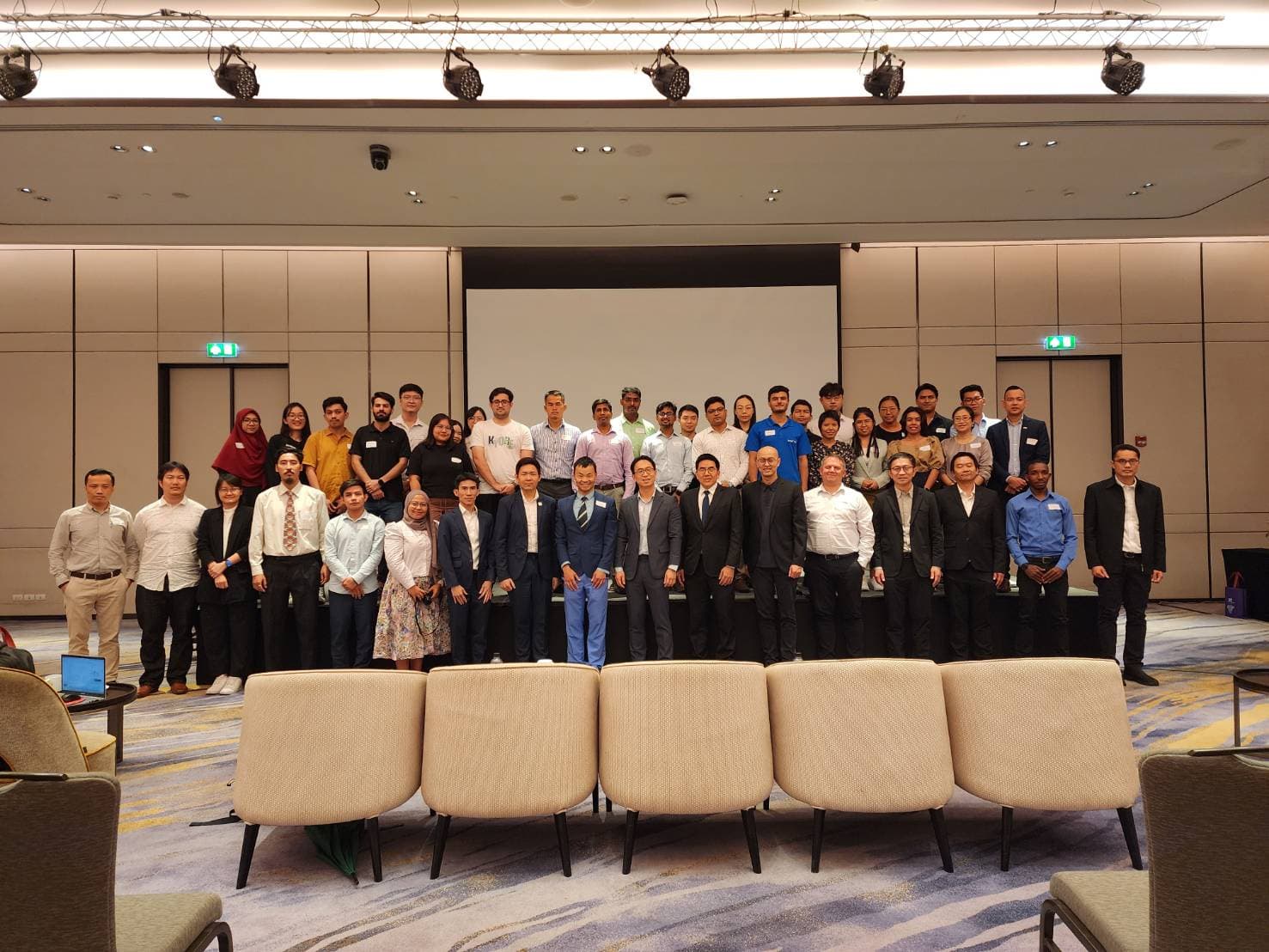
According to the World Economic Forum, it is necessary for organizations and businesses to become fully digital to create truly Circular Economy. This networking research focuses on understanding the readiness of ASEAN SMEs in the adoption of Digital Transformation (DT) to support the creation of Circular Economy. A maturity model for measuring digital transformation towards Circular Economy is developed through contributions from core partners and collaborators, serving as a commonly agreed benchmark among ASEAN members and a roadmap towards digital-enabled sustainable development.